
Complications of Diabetes Mellitus
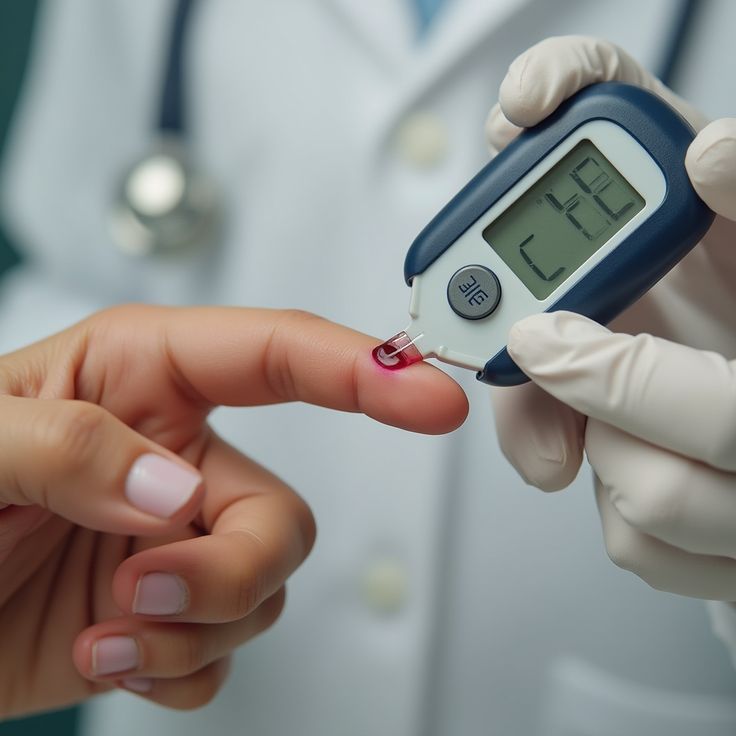
It is important to emphasize that the goal of diabetes treatment is not only to relieve current symptoms, but also to prevent future complications that may occur if the disease is neglected. Diabetic complications are generally divided into two categories:
cute (short-term) complications
Chronic (long-term) complications
First: Acute Complications
1. Hypoglycemia (Low Blood Sugar)
Blood glucose level below 50–60 mg/dL
Hypoglycemia is often considered the “price” a patient pays for achieving good blood sugar control. Therefore, fear of hypoglycemic episodes should never be used as an excuse for poor diabetes management.
Symptoms
–Trembling of the hands
–Palpitations
–Severe hunger
–Excessive sweating
–Dizziness
–Irritability and nervousness
–Tingling around the lips
–Headache
–Confusion
–Seizures
–Loss of consciousness (coma)
Some patients may experience severe hypoglycemia without any warning signs, making regular monitoring especially important.
Causes
Common causes of low blood sugar include:
–Taking too much insulin
–Using the wrong insulin concentration or syringe dosage
–Skipping meals or delaying meal times
–Excessive physical activity or exercise
Treatment and Prevention
Prevention
–Eat meals on time.
–Include small snacks between meals.
–Have a light bedtime snack, such as a cup of yogurt.
–Consume additional carbohydrates before intense physical activity.
–Monitor blood glucose levels regularly.
–Carry a diabetes identification card indicating appropriate emergency measures.
Treatment
–Take approximately 10 grams of fast-acting sugar.
–Repeat after 10 minutes if symptoms persist.
–Once blood sugar improves, eat a small protein-containing snack, such as:
Half a loaf of bread with cheese
Similar balanced snack
Common Mistake: Using sweets such as cakes or pastries to treat hypoglycemia. Their absorption is slower, often causing patients to consume unnecessary calories.
If the patient is unable to swallow:
–Administer a Glucagon injection immediately.
–Transfer the patient to the nearest hospital.
Every insulin-dependent diabetic patient is advised to keep a Glucagon emergency kit at home and ensure family members know how to use it.In hospital settings, concentrated intravenous glucose (25%) is administered promptly. Delaying treatment may lead to serious consequences.
2. Diabetic Ketoacidosis (DKA)
Diabetic ketoacidosis occurs when there is insufficient insulin in the body. As a result, the body cannot efficiently use glucose for energy and begins breaking down fats and proteins, producing ketone bodies (keto acids).
Normally, the body neutralizes these acids through buffering systems, mainly bicarbonate in the blood. However, excessive ketone production overwhelms these defenses, leading to dangerous blood acidity.
DKA is most commonly associated with Type 1 Diabetes and is relatively uncommon in Type 2 Diabetes.
Early diagnosis depends on detecting ketones in the urine.
Causes of Diabetic Ketoacidosis
1. Missing Insulin Doses
Patients with Type 1 Diabetes typically require 3–4 insulin injections daily. Missing even one dose may trigger ketoacidosis.
A common misconception is that insulin can be skipped when food intake is reduced. This is incorrect. Insulin should still be taken as prescribed, while meals may be adjusted accordingly.
2. Infections and Illnesses
Examples include:
–Throat infections
–Urinary tract infections
–Other illnesses
Such conditions increase the body’s insulin requirements.
3. Delayed Diagnosis of Type 1 Diabetes
Ketoacidosis may be the first presentation of diabetes in some patients.
4. Unknown Causes
Approximately 25% of cases occur without an obvious triggering factor.
Symptoms
- Increased thirst
Frequent urination
Weakness and fatigue
Abdominal pain
Vomiting
Rapid breathing
Shortness of breath
Reduced concentrationAltered consciousness
Coma in severe cases
Any Type 1 diabetic patient experiencing abdominal pain or vomiting should immediately test urine for ketones.
Diagnosis
Diagnosis is based on the presence of ketones in the urine.
Although DKA is often associated with very high blood glucose levels, ketones may occasionally appear even when blood sugar is within normal limits. Therefore, ketone testing should be performed whenever symptoms suggest ketoacidosis.
Treatment
Diabetic ketoacidosis is a medical emergency requiring hospitalization, preferably in a specialized diabetes unit.
-Treatment includes:
–Continuous monitoring
-Intravenous fluids
-Insulin therapy
Correction of electrolyte imbalances
During transport to the hospital, patients should drink fluids containing salts when possible, such as:
1-Tomato juice
2-Vegetable soup
3-Oral rehydration solutions
Second: Long-Term Complications
Poor blood sugar control can damage blood vessels over time, affecting:
–Eyes
–Kidneys
–Nerves
–Hear
–Brain
–Limbs
These complications often develop silently and may not produce symptoms until significant damage has occurred. Maintaining good glucose control greatly reduces the risk.
1. Protecting the Retina
Recommendations
–Maintain good control of blood sugar and blood pressure.
–Undergo a dilated eye examination annually after puberty.
–Do not delay laser treatment if recommended by your ophthalmologist.
2. Vision Changes
Temporary blurred vision may occur due to fluctuations in blood glucose levels.
Important: Eye examinations and prescription glasses should only be assessed when blood sugar levels are stable and well controlled.
3. Protecting the Kidneys
Recommendations
–Maintain good control of blood sugar and blood pressure.
–Early detection through specialized urine testing can help slow kidney damage.
–Dietary protein restriction and certain medications may be prescribed by the treating physician when necessary.
4. Protecting Oral and Dental Health
Recommendations
–Maintain good blood sugar control.
–Brush teeth at least twice daily using a toothbrush and toothpaste.
–Follow regular dental checkups.
5. Protecting the Heart, Brain, and Peripheral Arteries
Recommendations
–Avoid smoking, including passive smoking.
–Control risk factors that contribute to atherosclerosis, such as:
1-Obesity
2-High blood pressure
3-High cholesterol
4-Elevated triglycerides
Proper treatment of these conditions significantly reduces cardiovascular risks.
6. Protecting Peripheral Nerves
Peripheral neuropathy prevention relies primarily on:
–Maintaining optimal blood sugar control
–Regular medical follow-up
–Early treatment of nerve-related symptoms
7. Protecting the Feet
Diabetic foot care is a critical aspect of diabetes management and requires special attention. Patients should receive proper education regarding:
–Daily foot inspection
–Appropriate footwear
–Skin and nail care
–Early reporting of wounds or infections
Proper foot care can prevent many serious complications, including ulcers and amputations.
Key Message
The most effective way to prevent diabetic complications is:
✔ Good blood sugar control
✔ Regular medical follow-up
✔ Early detection of complications
✔ Adherence to prescribed treatment and lifestyle recommendations
With proper diabetes management, most complications can be prevented or significantly delayed.