
Holidays and Diabetes Mellitus
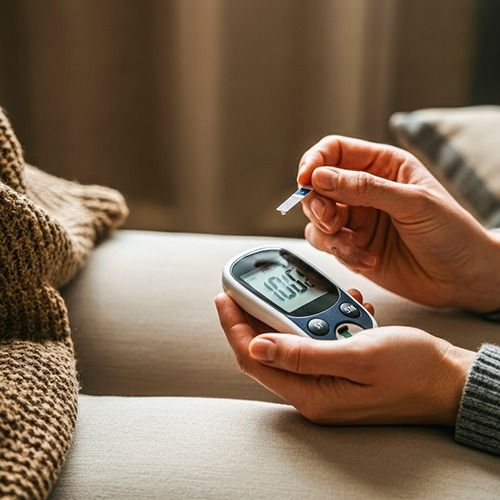
Holidays are usually associated with special meals and traditional foods that become an essential part of celebration and enjoyment. A person with diabetes can still enjoy all occasions if they are equipped with sufficient knowledge that helps them adapt to different circumstances.
Holidays are often linked with consuming large amounts of sweets such as “kahk”, biscuits, and other desserts. These foods are high in fats and sugars, and therefore contain a large number of calories. A person with diabetes may consume moderate amounts (equivalent to about two pieces of each type), provided that this is considered a full meal. For example, it can replace breakfast, and the prescribed diabetes medication should be taken before this meal. If the person still feels hungry, they can compensate by eating vegetables such as cucumber or carrots.
Eid al-Fitr
Eid al-Fitr is associated with eating salted fish such as fesikh and herring (renga). These foods are preserved using heavy salting, so a person with diabetes may consume them in normal, non-excessive quantities while considering the following:Excess salt is harmful for people with diabetes, especially if diabetes is associated with high blood pressure.
-Try to reduce bread intake, and you may eat as much onion as desired, as it is beneficial for diabetic patients.
-Improperly prepared fesikh may contain dangerous toxins; therefore, caution must be taken when purchasing it. It should be from a reliable source, not decomposed, and should retain the normal characteristics of fish. Its smell should be typical of fesikh, not foul.
Eid al-Adha
Eid al-Adha is associated with meat consumption. A person with diabetes can consume amounts larger than their usual needs, provided that kidney function is normal. Fat intake should be reduced as much as possible, and grilling meat helps reduce its fat content. It is also important to limit carbohydrate-rich foods such as “fatta” and similar dishes.
Beverages During Holidays
Holidays are also associated with large consumption of juices and soft drinks. A person with diabetes can make healthier choices by replacing these beverages with low-sugar alternatives such as lemon juice, carob, hibiscus (karkadeh), and diet soft drinks. However, water remains the best option, and it is recommended to drink as much water as possible.
General Advice During Holidays
In addition to food-related habits, changes in daily routine during holidays—such as frequent visits and travel—may lead to forgetting medications or irregular treatment schedules. This can cause serious complications, especially in patients who depend on insulin.
It is also important to remember that holidays often include leisure and physical activity. Walking for longer periods and engaging in enjoyable physical exercise helps burn excess calories. Exercise also improves the effectiveness of diabetes medications and helps control blood sugar levels, in addition to its overall benefits for all body systems, including psychological well-being.