
Fasting During the Month of Ramadan for Diabetic Patients
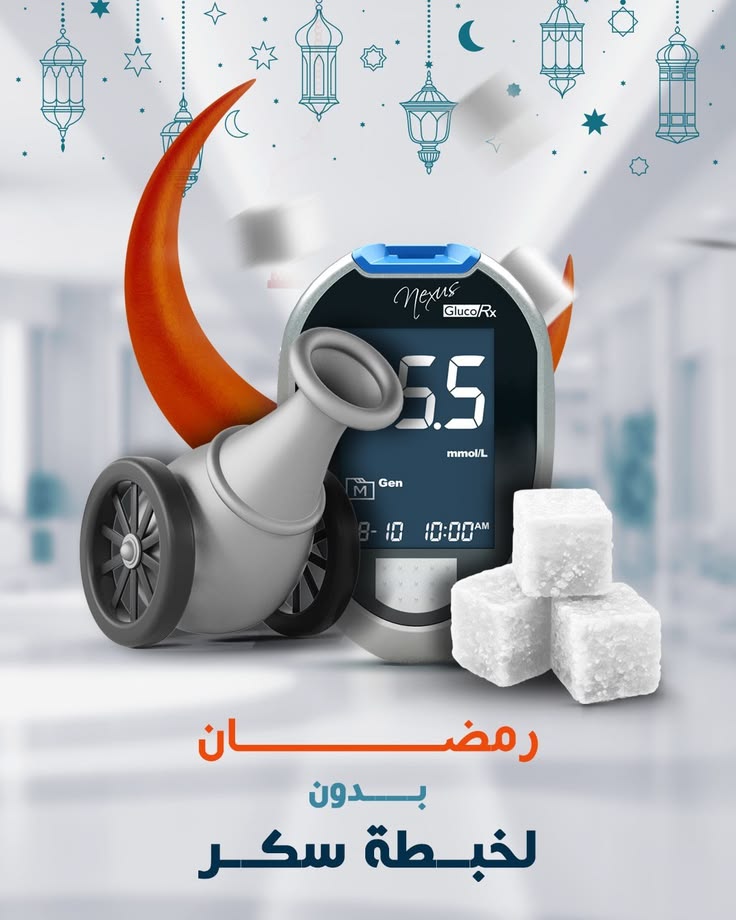
Fasting during Ramadan is one of the pillars of Islam, which Allah has made dependent on a person’s ability. Fasting is beneficial for healthy individuals; however, it may carry risks in certain medical conditions that are affected by prolonged abstinence from food and water. Therefore, every patient should consult a specialist physician to determine the possibility of fasting and the necessary precautions during Ramadan.
Diabetes is one of the conditions most affected by fasting. A diabetic patient is at risk of hypoglycemia due to prolonged fasting. In addition, skipping diabetes medication during fasting hours may lead to hyperglycemia, which can sometimes progress to the formation of ketone bodies (acidosis/acetone). Furthermore, lack of fluid intake—especially in hot weather with increased fluid loss—may lead to dehydration and its complications.
Patients Advised Not to Fast
Diabetic patients are advised to exercise extreme caution, and fasting is generally not recommended in the following cases:
- Type 1 diabetes requiring insulin therapy
- Patients with a history of severe hypoglycemic episodes
- Patients who cannot recognize warning signs of low blood sugar
- Pregnancy at all stages
- Kidney failure at any stage
- Unstable coronary artery disease
If Your Doctor Allows You to Fast
If your treating physician confirms that you may fast, you should:
- Monitor blood glucose regularly using a home glucose mete
- Be fully aware of when you must break your fast immediately, as continuing fasting in these situations can be harmful and considered a serious risk to health
When You Must Break Your Fast Immediately
You should stop fasting and break your fast in the following situations:
- Blood glucose level rises above 300 mg/dL
- Blood glucose drops below 60 mg/dL at any time during the day, even shortly before sunset
- Blood glucose drops below 70 mg/dL in the early hours of fasting
- Development of any acute illness such as fever or severe cold
Medical Advice for Diabetic Patients During Ramadan
- Drink plenty of water during non-fasting hours
- Start iftar with fast-absorbing sugars such as dates or a small glass of juice
- Reduce fat intake as much as possible (fatty meats, fried foods, sweets)
- Increase intake of vegetables and dietary fiber. Fava beans (ful medames) are considered an ideal meal due to their plant protein, fiber content, and low fat content
- Delay suhoor (pre-dawn meal) as late as possible
- Avoid excessive pickles and sweets such as kunafa and qatayef
- Exercise after iftar and avoid physical activity during fasting hours
- If you are on oral diabetes medications, consult your doctor regarding dose adjustment during Ramadan
- If you use insulin, consult your doctor regarding a modified insulin regimen suitable for fasting
- Insulin injections do not invalidate fasting and may be taken approximately 30 minutes before iftar when required
Wishing you all a blessed Ramadan and good health.