
Diabetic Neuropathy (Nerve Inflammation in Diabetic Patients)
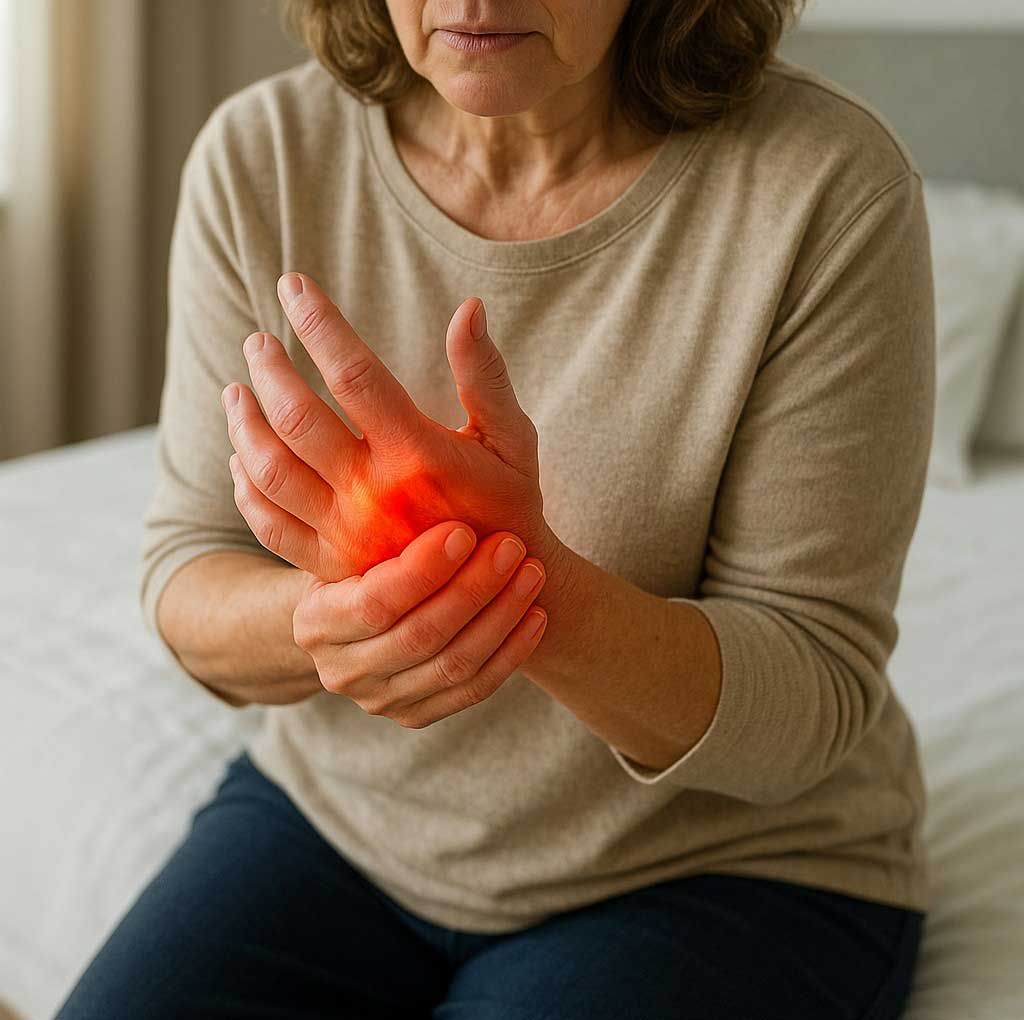
Nerve inflammation (neuropathy) is one of the most common complications of diabetes. The symptoms and signs vary depending on the type of nerves affected by elevated blood glucose levels.
Peripheral neuropathy is the most commonly affected type in diabetes, particularly the nerves of the lower limbs and feet.
Most diabetic patients suffer from neuropathic pain caused by peripheral nerve inflammation. However, the real danger lies in what is not immediately noticeable: loss of sensation in the feet, which exposes them to injuries without the patient realizing it.
1. Loss of Temperature Sensation
Reduced ability to feel changes in external temperature is a prominent feature in diabetic neuropathy.
Although extreme cold is uncommon, many diabetic patients suffer severe burns on their feet when sitting too close to heaters during winter. This happens because they cannot feel heat, which allows tissue damage to occur without pain.
Another example is when patients rely on their sensation to judge water temperature while soaking their feet. The water may often be too hot and cause burns without the patient feeling pain.
Therefore, diabetic patients must always check water temperature before use. This can be done using a thermometer (not a medical thermometer), or by asking a family member without neuropathy, or by using a body area with normal sensation such as the elbow.
Patients may also walk barefoot on hot sand in summer without feeling pain, which makes it essential to avoid walking barefoot under any circumstances.
2. Loss of Pain Sensation
Pain is one of the greatest blessings that protects the body by warning it of danger.
In diabetic neuropathy, patients may suffer injuries without noticing them. A patient may step on a needle or nail without feeling it. Foreign objects may also enter the shoe, and the patient may continue wearing it without awareness, leading to serious foot injuries that could have been easily prevented.
The Real Challenge in Diabetic Neuropathy
The main challenge is not simply relieving pain, but rather protecting the feet from injury. Fortunately, most protective measures are simple and inexpensive, yet highly effective.
Foot Protection Guidelines
- Never walk barefoot, even inside the home
- Inspect feet daily to detect any early signs of injury or abnormalities
- Carefully examine socks to ensure they are clean, intact, and properly fitted
- Choose footwear carefully; inappropriate shoes are a major cause of foot problems
- Always check inside shoes before wearing them
- Patients with severe loss of sensation should avoid strenuous sports, even football
- Use available methods to reduce pressure on the feet; consult a diabetic foot care specialist for proper guidance