
Insulin Injections
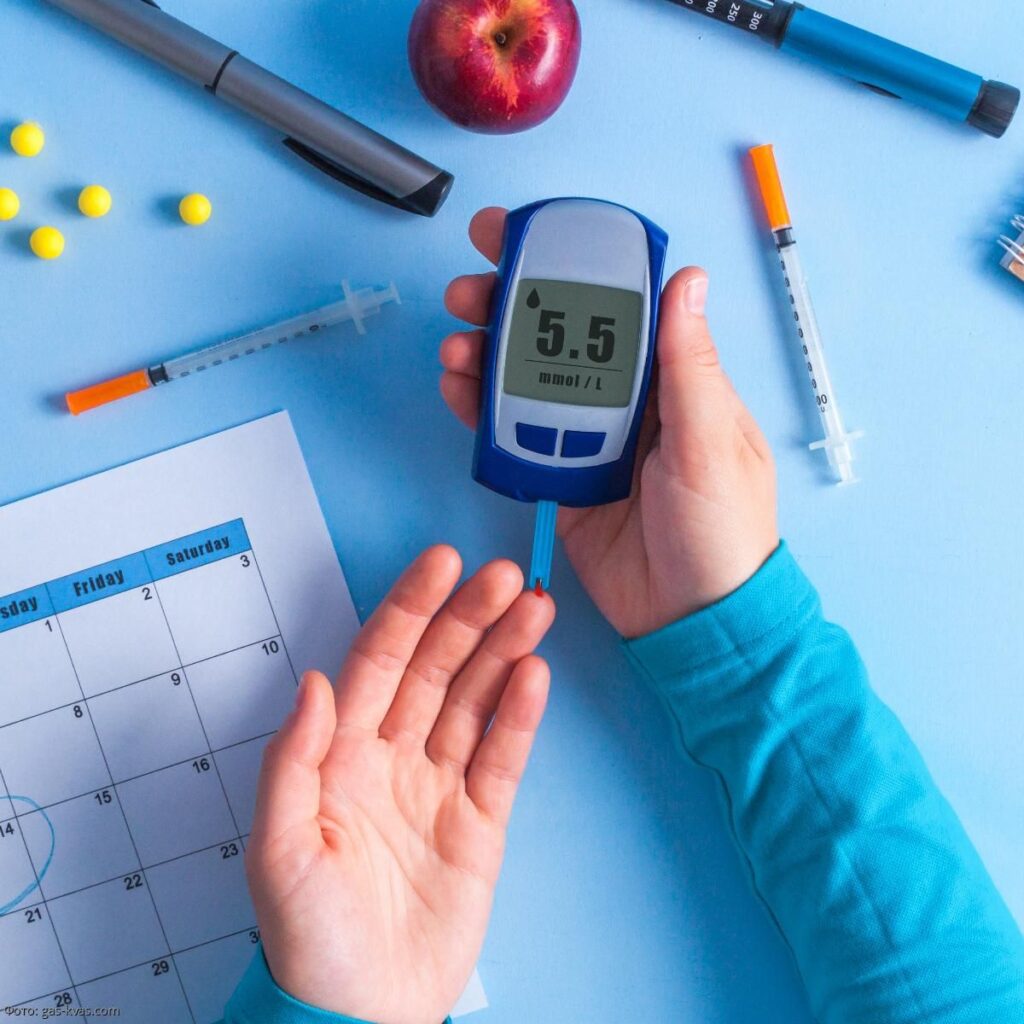
Insulin injection is a very simple procedure, but it requires understanding some basic information in order to achieve the best therapeutic benefit.
Information About the Insulin Vial
- Always check the insulin concentration, type, and expiration date before each use.
- Do not inject insulin immediately after taking it out of the refrigerator; wait until it reaches room temperature.
- Insulin effectiveness is not affected by ambient temperature for short periods (up to more than two weeks). Therefore, insulin can be used during short trips even without refrigeration.
- Long-acting insulin must be mixed gently before drawing the dose by rolling the vial between the hands until it becomes homogeneous.
Information About the Insulin Syringe
- Ensure that the syringe scale matches the type and concentration of insulin used.
- The insulin syringe can be reused several times as long as it does not cause pain and is kept clean and free from contamination.
- Carefully cover the needle after each use without touching it.
- Store the syringe in its case inside the refrigerator after each use.
Injection Sites
- Change the injection site every time.
- Recommended rotation:
- Abdomen for mealtime (rapid-acting) insulin
- Arm for morning (breakfast) injection
- Thigh for evening (dinner) injection
- The abdominal wall is considered the best site for insulin injection.
- Avoid injecting in the same spot repeatedly; wait 2–3 weeks before reusing the same point, as repeated injections in one area may cause fat accumulation and impair insulin absorption.
Injection Technique
- Ensure the injection site is clean and dry (if alcohol is used, allow it to dry completely).
- Avoid injecting into unhealthy skin or visible blood vessels.
- Pinch a fold of skin about 2 cm thick and insert the needle at a right angle.
- Avoid moving the syringe after inserting the needle. Inject insulin slowly, then withdraw the syringe and gently press the injection site.