
The Eye and Diabetes Mellitus
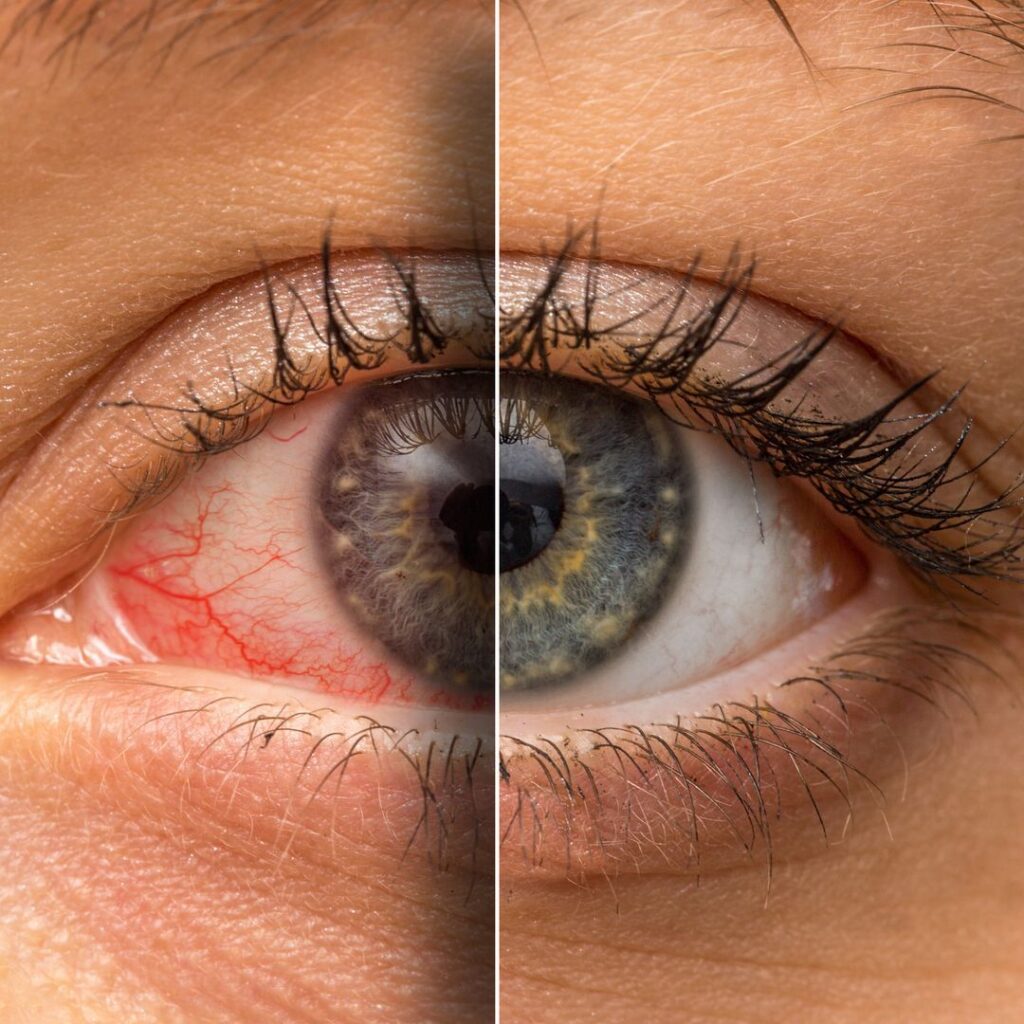
Uncontrolled diabetes affects the eye in many ways, which makes regular ophthalmologic examinations essential. It is recommended that all diabetic patients visit an eye specialist annually starting from the time of diagnosis.
For Type 1 diabetes, these visits may be delayed until 3–5 years after diagnosis, and then continued regularly on a yearly basis.
1. Lens Changes (Refractive Fluctuations and Cataract)
The eye lens is affected by significant fluctuations in blood glucose levels, which alter the water content of the lens. This leads to changes in its shape and, consequently, temporary changes in visual acuity.
For this reason, patients often notice marked changes in vision during episodes of high or low blood glucose. Many patients also experience blurred vision at the beginning of diabetes treatment, as blood glucose levels return to normal after previously being elevated.
These visual changes are usually temporary and resolve within 2–4 weeks. Therefore, vision testing and prescription of glasses should ideally be postponed until at least three weeks after achieving good glycemic control.
Poorly controlled diabetes also accelerates the development of lens opacification (cataract), which tends to occur at an earlier age compared to the general population.
2. Diabetic Retinopathy
Diabetic retinopathy is one of the most serious complications of diabetes. It is significant for two main reasons:
-It is very common, affecting the majority of patients with poorly controlled diabetes over time.
-It often develops silently without noticeable symptoms, progressing gradually until it causes severe visual impairment or even complete loss of vision if left untreated.
To prevent these complications, the following measures are essential:
-Good control of diabetes: Maintaining stable blood glucose levels significantly reduces the risk of retinopathy.
-Control of blood pressure: Hypertension is a major risk factor that accelerates disease progression.
-Regular eye examinations: Fundus (retinal) examination should be performed annually, or more frequently if early signs of disease are detected.
-Timely laser treatment: Delaying laser therapy when indicated can worsen outcomes. Early laser treatment is crucial in preserving retinal function and preventing vision loss.