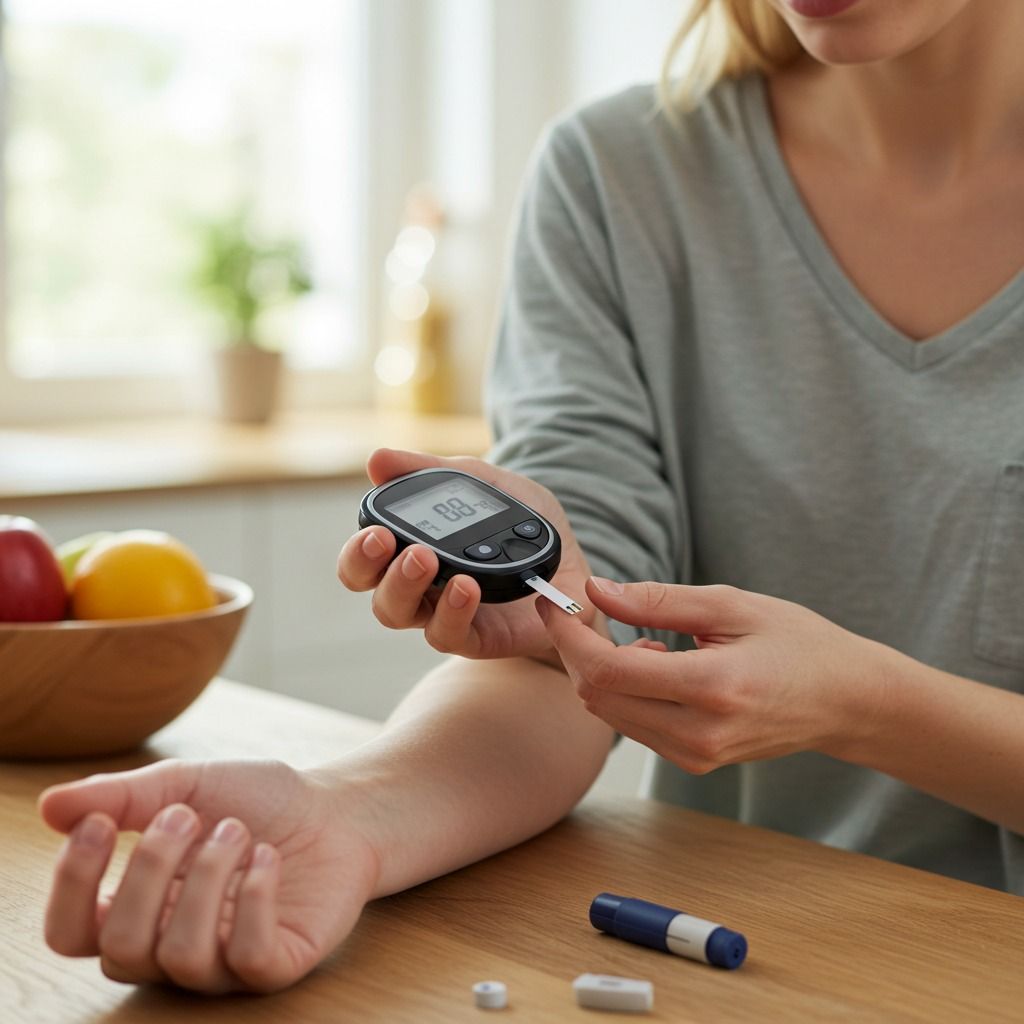
Blood Glucose Monitoring in Diabetes

Blood glucose monitoring is one of the most important aspects that every diabetic patient must understand. Blood sugar should not exceed 120 mg/dL during fasting and 140 mg/dL two hours after meals. There are several methods available, and patients should choose the most suitable one according to their circumstances. Without the patient’s active participation in monitoring blood glucose, good control cannot be achieved. Therefore, it is essential to have a reliable method for monitoring and to use it at different times of the day.

Urine Testing
Although this method is not highly accurate, it is inexpensive and easy to perform, making it widely accessible.
It is recommended to avoid testing the first morning urine sample, as it is usually concentrated.
Urine testing is also useful for detecting acetone (ketones), which is an important warning sign that requires immediate contact with a doctor or the nearest hospital.

How to perform the test:

  • Dip the reactive strip into the urine sample
  • Remove excess urine
  • Wait about 30 seconds
  • Compare the color change with the chart provided on the container

Blood Glucose Testing Using Home Devices
Home glucose monitoring devices are considered one of the greatest advancements in diabetes care after the discovery of insulin.
Although readings may differ from actual blood glucose levels by about 15%, this variation is acceptable because laboratory results can also vary from one lab to another.

To improve accuracy, follow these instructions:

  • If alcohol is used for disinfection, wait until it dries completely
  • Use high-quality test strips and check expiration dates
  • Store strips properly inside their original container
  • Follow the device instructions carefully
  • Clean the device regularly from blood residues and calibrate it periodically

When to Measure Blood Glucose
Blood glucose should be measured at different times each day, such as:

  • Before breakfast
  • Two hours after breakfast
  • Before lunch
  • Two hours after lunch
  • Before dinner
  • Two hours after dinner
  • Before bedtime
  • During the night
  • When hypoglycemia is suspected
  • To evaluate the effect of certain meals

The more frequent the measurements (daily, weekly, or monthly depending on the patient’s ability), the better the control of diabetes.

Glycated Hemoglobin (HbA1c)
This test reflects the average blood glucose level over the past 2–3 months, providing a comprehensive overview of long-term diabetes control.
It is considered one of the most important tests because it measures the overall average blood sugar rather than a single moment reading.